Nvidia Makes Memory Makers Use TSMC
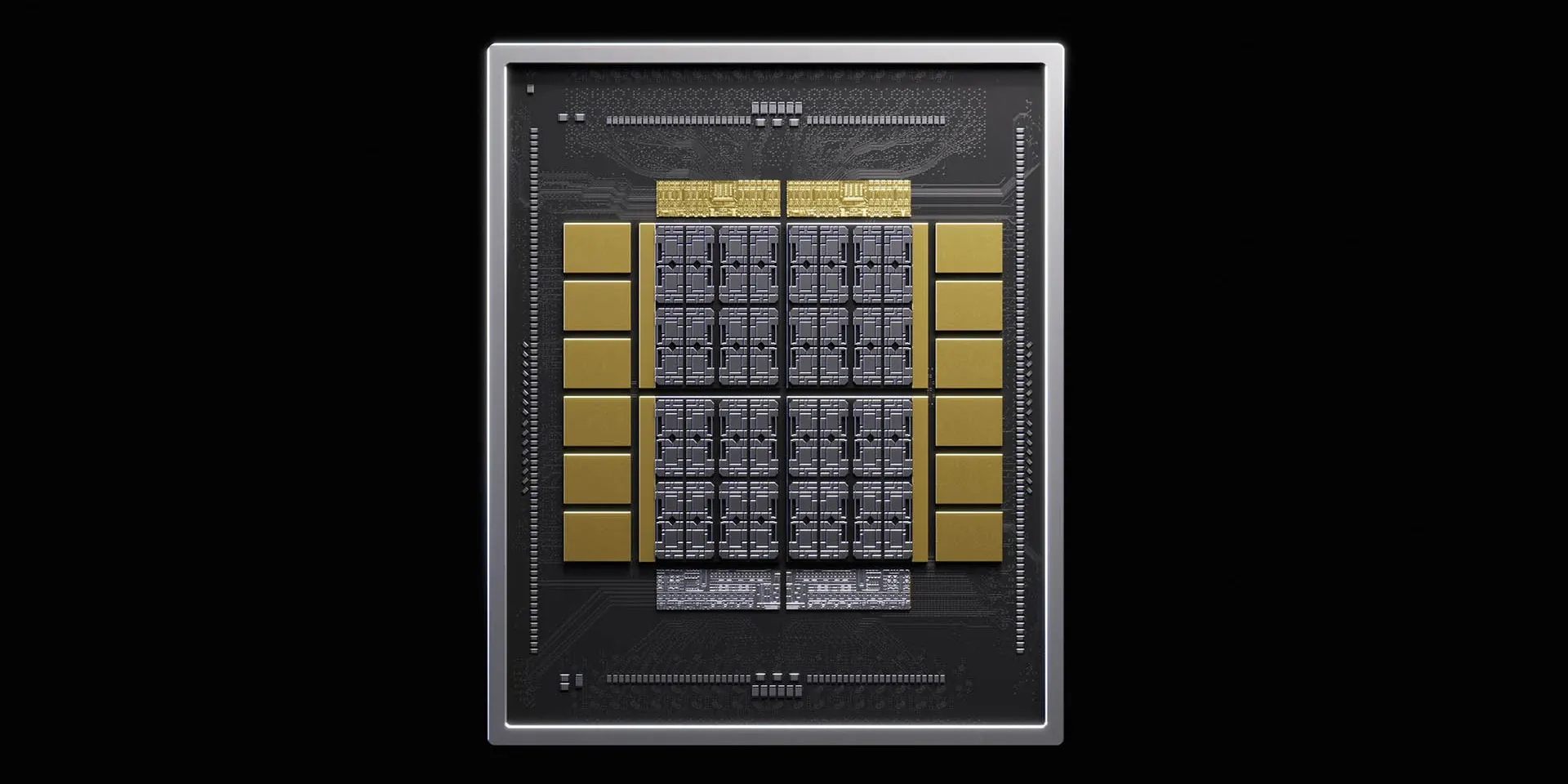
Nvidia is making Samsung, SK hynix and Micron build its custom memory's base die at TSMC, and Samsung agreed to work with its foundry rival.
Read the story Subscribe
Reporting and context on TSMC, with a closer look at the decisions and developments that matter.
Get AI Secret’s free daily briefing, including TSMC and the wider AI industry.

TSMC is a dedicated semiconductor foundry. Coverage follows chip manufacturing, advanced packaging and the supply chain supporting AI computing.
Reviewed 19 October 2026. Dates retain the precision of the source; retrospective disclosures are identified in the event. Revenue currencies are preserved. Manufacturing nodes and wafer revenue shares are operational measures, not ARR.
Revenue, funding, product launches and major company events, newest first. Expand the earlier milestones for more history.
Revenue grows 41.2% year over year in US dollars; 2nm accounts for 8% of wafer revenue. Currency and reporting period are kept explicit.
Source: TSMCAnnual revenue rises 31.6% from NT$2.894T in 2024. These are consolidated sales in Taiwan dollars, not US dollars or ARR.
Source: TSMCEarlier revenue, financing and company milestones.
The shareholder meeting approves the prior year’s financial statements, documenting the base before 2025’s expansion.
Source: TSMCThe 2025 annual report dates N2 high-volume manufacturing to the fourth quarter, with a faster ramp planned for 2026.
Source: TSMC annual reportN4 manufacturing starts in the fourth quarter, extending leading-edge capacity beyond Taiwan.
Source: TSMC annual reportThe Fab 18 ceremony marks N3 volume production and capacity expansion in southern Taiwan.
Source: TSMCN5 supports smartphone and high-performance-computing customers, preceding the N3 and N2 technology generations.
Source: TSMCThe dedicated foundry model separates manufacturing services from customers’ semiconductor designs.
Source: TSMCBriefs, articles and relevant sections, newest first. Explore older coverage below.
More coverage

Hello, AI Enthusiasts!
In today's issue, we dive into a gripping story that highlights the delicate balance between cutting-edge technology and security.
AI Secret helps you grasp the latest AI trends and insights in just 5 minutes. Don’t remember subscribing or want to stop receiving our newsletters completely? Unsubscribe here

TODAY’S AI SECRET:
Recently, just as Apple was poised to release its latest AI functionality—Apple Intelligence—a developer named Evan Zhou revealed a significant security flaw in the system. Zhou then published his code on GitHub.
The Details:
Why It Matters:
Evan Zhou's example serves as a reminder that, alongside technological innovation, security cannot be overlooked. For companies and developers, ensuring that AI systems are resilient against such attacks is crucial for protecting user privacy and data security.
Recently, just as Apple was poised to release its latest AI functionality—Apple Intelligence—a developer named Evan Zhou revealed a significant security flaw in the system. Zhou then published his code on GitHub.

"Busy life, but love to read? Transform your every moment into a learning opportunity with HeardLy APP!
Whether you're commuting, working out, or just relaxing, HeardLy lets you dive into the world of books effortlessly.
With our AI-driven app, quickly master a top book in just a few minutes.
Sign up for a free trial today and gain 30-day access to master 30 top books!
Don't just fill your time—enrich it with HeardLy."

SoftBank and Intel's plan to create an AI chip to rival Nvidia has been scrapped. Intel couldn't meet SoftBank's volume and speed needs, prompting SoftBank to shift its focus to TSMC.
The Details:
Why It Matters:
Right now, Intel, once a leading chip maker, appears to be struggling. After facing several challenges, such as problems with new chips, a drop in stock prices, and significant layoffs, even new companies like SoftBank have decided to distance themselves from Intel. I can't help but wonder if Intel will end up like Nokia?
Shift in Strategy: SoftBank is now engaging with TSMC, aiming to leverage the capabilities of the world's largest contract chipmaker for its AI chip ambitions.

A recent disturbing practice in the academic world: publishers selling academic papers to tech companies for AI training, earning millions while the original authors receive nothing. This raises significant ethical and legal questions about the use of intellectual property and the compensation of creators.
The Details:
Why It Matters:
As AI continues to evolve, the need for massive datasets has led to the commodification of academic research, often at the expense of the original creators. This practice not only questions the fairness of the academic publishing model but also the broader implications for how we value and protect intellectual contributions in the digital age.
Your comments are valuable, please feel free to reply.
Leave a MessageAI Secret is the world’s #1 AI Newsletter, boasting over 1 million readers from leading companies such as OpenAI, Google, Meta, and Microsoft. We've assisted in promoting Over 500 AI-Related Products. Will yours be the next?
What We Can Offer:
Email our co-founder Mark directly at mark@aisecret.us if the button fails.
Nvidia is making Samsung, SK hynix and Micron build its custom memory's base die at TSMC, and Samsung agreed to work with its foundry rival.
Read the storyTSMC posted a sixth straight record quarter, said AI demand still exceeds supply, and answered overbuilding fears with higher capex and nearly 20 new fabs.
Plus: AI Command Center, First AI Megafactory
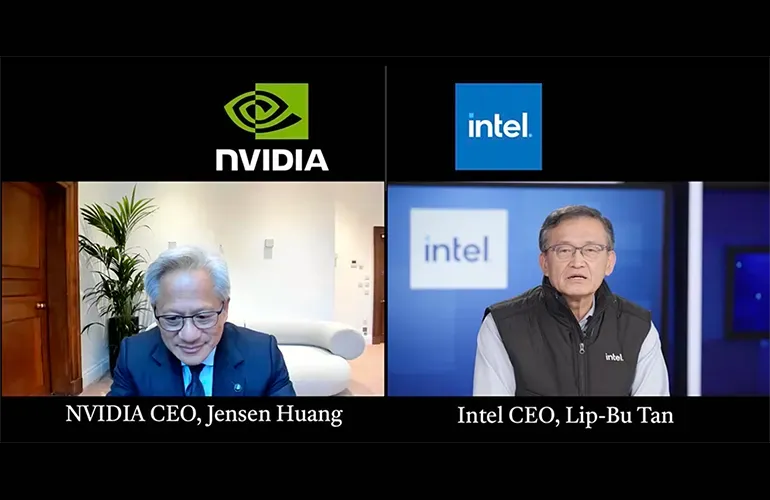
When Nvidia announced it would spend $5 billion on Intel stock, the market reacted like it was just another mega-cap financial play. Intel’s shares surged
The collaboration between Foxconn and Nvidia marks a significant milestone in the evolution of artificial intelligence (AI) and high-performance computing. With the support of the Taiwanese
Sam Altman Says "No Thank You" to Elon Musk's $97.4 Billion Offer for OpenAI
In the world of artificial intelligence (AI), where chips are the lifeblood of innovation, OpenAI has decided to take matters into its own hands—literally. The
OpenAI is making news by developing its first in-house AI chip. This ambitious project is being done in partnership with Taiwan Semiconductor Manufacturing Company (TSMC) and
A developer manipulated Apple Intelligence