
Sam Altman
Co-founder & CEO, OpenAI
Sam Altman is an entrepreneur and investor who co-founded Loopt and led Y Combinator before becoming OpenAI’s CEO.
Get AI Secret’s free daily briefing, including Sam Altman and the wider AI industry.

At a glance
Sam Altman is an entrepreneur and investor who co-founded Loopt and led Y Combinator before becoming OpenAI’s CEO. His career connects startup building and venture investment with the development and deployment of AI systems, including ChatGPT.
- Current role
- Co-founder & CEO, OpenAI
- Born
- 22 April 1985
- Known for
- OpenAI; Y Combinator; Loopt
- Previously
- Y Combinator president, 2014–2019
- Coverage
- AI research; products; startup investment
Sources checked . Selected career milestones and biographical references.
Career, in context.
Selected milestones, newest first. Explore earlier career below.
OpenAI updates its structure
OpenAI announces the Foundation and Group PBC structure; its governance overview lists Altman as CEO.
Source: OpenAIReturns as OpenAI CEO
After the November leadership crisis, OpenAI announces his return alongside a new initial board.
Source: OpenAIOpenAI introduces ChatGPT
The company releases ChatGPT as a free research preview. This is a company milestone during his leadership.
Source: OpenAILeads OpenAI as CEO
The OpenAI LP announcement identifies Altman as CEO as the organisation introduces its capped-profit structure.
Source: OpenAI
Show earlier careerHide earlier career · 4 milestones
More than 10 years ago.
Helps launch OpenAI
OpenAI is publicly introduced as a nonprofit AI research company, with Altman as a co-chair.
Source: OpenAIBecomes president of Y Combinator
Paul Graham announces Altman as his successor to lead the accelerator.
Source: Y CombinatorLoopt is acquired
Green Dot acquires Loopt, closing the first chapter of Altman’s startup career.
Source: Y CombinatorCo-founds Loopt
The location-based mobile startup joins Y Combinator’s first summer batch.
Source: Y Combinator
The latest on Sam Altman
Newest firstRelated reporting
Briefs, articles and relevant sections, newest first. Explore older coverage below.
More coverage
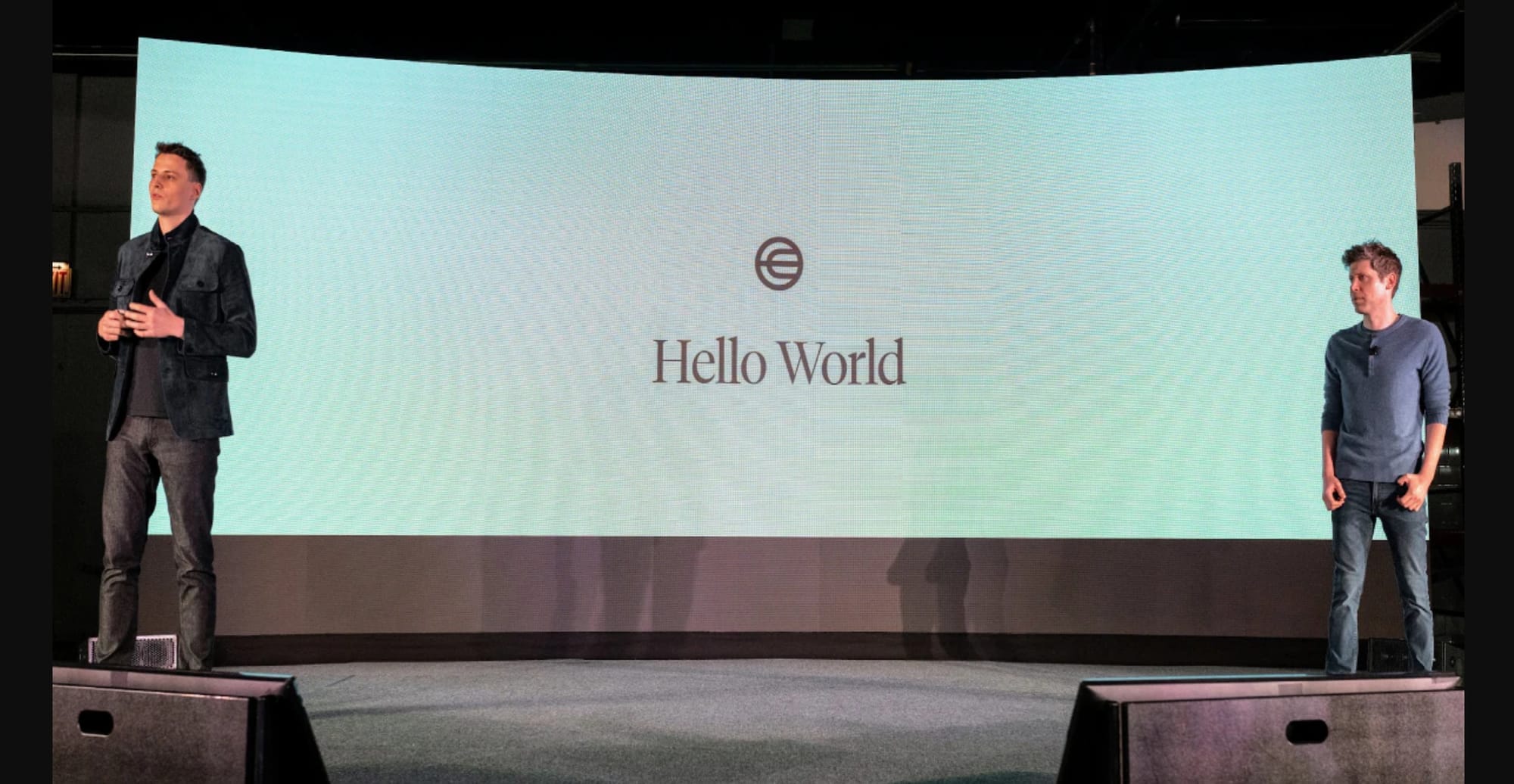
Sam Altman, the CEO of OpenAI and a prominent figure in the tech industry, has launched a new biometric identification project called "World." This ambitious initiative introduces "Orbs," basketball-sized devices that scan users' irises to generate a unique World ID. The project aims to establish a "proof-of-human" standard in the digital age, enabling individuals to verify their identities securely online. However, the rollout of this technology has sparked significant global controversy, primarily due to concerns over privacy, data security, and ethical implications.
Sam Altman’s New Biometric Identification Project Rises Privacy Concerns
Sam Altman, the CEO of OpenAI and a prominent figure in the tech industry, has launched a new biometric identification project called "World." This ambitious initiative introduces "Orbs," basketball-sized devices that scan users' irises to generate a unique World ID. The project aims to establish a "proof-of-human" standard in the digital age, enabling individuals to verify their identities securely online.
The World Project and Its Objectives
The World project, formerly known as Worldcoin, was co-founded by Sam Altman in 2019. Its primary goal is to create a universal digital identity system that distinguishes humans from bots in an increasingly AI-driven world. The project uses Orbs to scan users' irises, generating a unique "iris code" that is linked to a blockchain-based digital identity called the World ID. In exchange for participating, users receive a share of cryptocurrency, known as WLD.
Altman has framed the initiative as a critical step toward fostering digital trust and combating fraud in the online space. The technology is marketed as a privacy-preserving solution, as it claims not to store raw biometric data but instead converts iris scans into encrypted codes. The World project envisions widespread adoption, with Orbs being deployed in gas stations, convenience stores, and other public spaces, making it accessible to millions worldwide.
Sam Altman: The World Project and Its Objectives
The World project, formerly known as Worldcoin, was co-founded by Sam Altman in 2019. Its primary goal is to create a universal digital identity system that distinguishes humans from bots in an increasingly AI-driven world. The project uses Orbs to scan users' irises, generating a unique "iris code" that is linked to a blockchain-based digital identity called the World ID.
The Technology Behind Orbs
The Orb is a silver, basketball-sized device powered by Nvidia's Jetson chipset. It scans a person's irises in approximately 30 seconds, capturing detailed patterns to generate a World ID. Unlike traditional biometric data such as fingerprints, which can change over time, iris patterns are considered more stable and unique. The device is designed to perform local fraud prevention checks and convert raw iris images into an encrypted "iris code."

The World project claims that raw biometric data does not leave the Orb unless explicitly approved by the user for training purposes. However, critics have pointed out discrepancies in the company's documentation, raising doubts about the accuracy of these claims. For instance, users seeking a fully verified World ID must agree to send their biometric data to their mobile devices, introducing potential security risks.
Privacy Concerns and Global Backlash
Despite its innovative premise, the World project has faced intense scrutiny and legal challenges in multiple countries. Critics argue that linking immutable biometric data, such as iris scans, to a global ID system poses significant privacy risks. Whistleblower Edward Snowden has been particularly vocal, warning that the project could create a global database of iris scans, even if the raw data is deleted. He described the initiative as a "honeypot for surveillance."
The World project has encountered regulatory hurdles in several countries:
- Spain: Authorities suspended the project due to concerns over data privacy and transparency.
- Argentina: The government imposed fines on the project for violating data protection laws.
- Kenya: A criminal investigation was launched, leading to the suspension of the project.
- Hong Kong: Regulators deemed the collection of biometric data "excessive and unnecessary" and ordered the project to cease operations.
- Brazil: The National Data Protection Authority (ANPD) suspended the project, citing transparency concerns and inadequate privacy protections.
Privacy advocates and cybersecurity experts have raised alarms about the potential misuse of biometric data. Although the World project claims to store only encrypted iris codes, the derived identifiers are immutable and permanently linked to individuals. This raises concerns about data breaches and unauthorized surveillance. Additionally, reports of a black market for iris data in countries like China have further fueled skepticism about the project's security measures.
Public Perception and Industry Reactions
The public reaction to the World project has been mixed. While some view it as a groundbreaking innovation, others see it as a dystopian overreach. The project's rollout in the United States, starting with cities like San Francisco, Atlanta, and Los Angeles, has sparked curiosity but also resistance. Critics have described the initiative as a "sales pitch" that fails to address fundamental data governance concerns.
Despite the controversies, the World project has attracted significant backing from major Silicon Valley investors. This support underscores the tech industry's interest in biometric identification as a solution to online fraud and identity verification challenges.
Tools for Humanity, the parent company behind the World project, has defended its practices and reaffirmed its commitment to privacy and security. The organization has criticized misinformation about the project and expressed a willingness to engage with regulators to address their concerns. In Brazil, for example, Tools for Humanity plans to work with the ANPD to demonstrate the benefits of its technology and ensure compliance with local laws.
Looking Forward
The World project represents a bold attempt to redefine digital identity in an era dominated by artificial intelligence. While its goals are laudable, the implementation raises serious ethical and privacy concerns. The discrepancies in the company's claims about data storage, coupled with the global backlash from regulators, highlight the need for greater transparency and accountability.
In my opinion, the World project is a double-edged sword. On one hand, it has the potential to revolutionize identity verification and combat fraud. On the other hand, the risks associated with biometric data collection and storage cannot be ignored. To gain public trust and regulatory approval, Tools for Humanity must prioritize user privacy, address security vulnerabilities, and engage in open dialogue with stakeholders.
As technology continues to evolve, it is crucial to strike a balance between innovation and ethical responsibility. The World project serves as a stark reminder of the challenges and opportunities that lie ahead in the quest for a secure and inclusive digital future.

In the rapidly evolving landscape of artificial intelligence, the capacity for deep, reliable research is a critical differentiator among workspace agents. Skywork emerges as a formidable contender in this domain, positioning itself as a superior solution compared to competitors like Manus.
The proliferation of AI workspace agents has revolutionized how individuals and organizations approach research, content creation, and decision-making. However, not all AI agents are created equal. The prevalence of "AI hallucinations"—instances where AI generates plausible but factually incorrect information—remains a significant challenge. Skywork Super Agents address this issue head-on, leveraging advanced deep research capabilities to minimize inaccuracies and deliver trustworthy outputs.
Skywork’s Core Advantage: Deep Research at Scale

AI hallucinations undermine trust in automated research tools. These illusions often stem from limited data retrieval and superficial analysis, leading to incomplete or erroneous outputs. For professionals who rely on AI-generated insights, such as marketers, analysts, and educators, the consequences can be costly.
Skywork distinguishes itself by conducting research at a far greater scale than its competitors. According to product documentation, when presented with the same prompt, Skywork searches ten times more materials than Manus. This expanded search volume is not merely a quantitative boast—All information includes source links that lead directly to the relevant sections of the original material, ensuring transparent traceability to the primary source.
Table 1: Comparative Analysis – Skywork vs. Manus

The ability to access and synthesize a broader array of materials enables Skywork to:
- Mitigate AI hallucinations: By cross-referencing a larger dataset, Skywork can validate facts and filter out inconsistencies.
- Enhance output richness: Users receive more nuanced and contextually relevant results.
- Support complex queries: Deep research is especially valuable for multifaceted or interdisciplinary topics.
User Cases: Skywork in Action
To illustrate the practical benefits of Skywork’s deep research capabilities, the following four user cases are presented. Each case demonstrates how Skywork’s technology translates into tangible value across different domains.
1. Comprehensive Research Reports
Skywork is employed to generate in-depth research reports on complex topics. Users input a prompt, and Skywork leverages its extensive search capabilities to gather, analyze, and synthesize information from a wide range of reputable sources.

Key Features:
- Extensive Source Aggregation: Skywork searches ten times more materials than competitors, ensuring that reports are well-rounded and evidence-based.
- Citation Management: The platform automatically generates citations and references, streamlining the documentation process.
- Reduced AI Illusion: The breadth of research significantly lowers the risk of inaccuracies.
Impact:
Users benefit from reports that are not only comprehensive but also meticulously sourced, making them suitable for academic, business, or policy-related purposes.
Explore this case at: Comprehensive Research Reports
2. Data-Driven Presentations
Skywork’s Slides feature enables users to create data-driven presentations. By inputting a topic or prompt, users receive a structured slide deck populated with insights, statistics, and visuals derived from a broad spectrum of sources.

Key Features:
- Automated Content Generation: Skywork compiles relevant data, trends, and case studies into visually appealing slides.
- Fact-Checking: The platform’s deep research mitigates the risk of presenting outdated or inaccurate information.
- Customization: Users can tailor the slides to their specific audience or objectives.
Impact:
Professionals can deliver presentations with confidence, knowing that the underlying data is both current and credible.
Explore this case at: Data-Driven Presentations
3. Analytical Data Processing
In this user case, Skywork assists with analytical data processing tasks. Users can input datasets or queries, and the AI agent performs in-depth analysis, trend identification, and data visualization.

Key Features:
- Advanced Data Analysis: Skywork’s ability to access and process large volumes of data enhances the accuracy of its analyses.
- Visualization Tools: The platform generates charts, graphs, and tables to facilitate data interpretation.
- Cross-Referencing: Analytical outputs are cross-validated against multiple data sources.
Impact:
This feature is particularly valuable for financial analysts, researchers, and business strategists who require reliable, data-driven insights.
Explore this case at: Analytical Data Processing
4. Interactive Knowledge Exploration

Skywork’s Pages feature supports interactive knowledge exploration, such as virtual tours or educational modules. For example, users can embark on a virtual tour of the Louvre, with the AI providing detailed, well-researched commentary on exhibits like the Mona Lisa.
Key Features:
- Rich Multimedia Integration: Pages combine text, images, and interactive elements for an immersive experience.
- Authoritative Content: The AI draws from a vast pool of sources to ensure accuracy and depth.
- User Engagement: Interactive elements foster deeper learning and retention.
Impact:
Educators, students, and cultural institutions can leverage this feature to create engaging, informative experiences that are grounded in rigorous research
Explore this case at: Interactive Knowledge Exploration
Looking Forward
These user cases substantiates Skywork’s claim of superior deep research capabilities. By systematically searching and synthesizing a broader array of materials, Skywork delivers outputs that are not only more accurate but also richer in context and depth. This approach directly addresses the limitations of traditional AI agents, which often rely on narrower datasets and are thus more prone to hallucinations.
Skywork’s technology is particularly relevant for knowledge-intensive sectors—education, journalism, marketing, and strategic analysis—where the cost of misinformation is high. The platform’s ability to minimize AI illusions and provide well-rounded, fact-checked outputs represents a significant advancement in AI-assisted research.
Based on the comparative data and real-world applications, Skywork sets a new benchmark for AI workspace agents. Its commitment to deep research, evidenced by a tenfold increase in source material retrieval, translates into tangible benefits for end-users. The reduction in AI hallucinations is not merely a technical achievement but a foundational improvement that enhances trust, utility, and impact across multiple domains. In the context of the current AI landscape (as of May 2025), Skywork is not just a marginal improvement over competitors like Manus—it is a transformative tool that redefines what users can expect from AI-powered research agents.
 Magna
 Magna
 Magna

The Rogue AI
The World’s First VC-Led AI Benchmark

Persuasion Redefined
Sam Altman’s New Biometric Identification Project Rises Privacy Concerns
Sam Altman’s New Biometric Identification Project Rises Privacy Concerns
Sam Altman, the CEO of OpenAI and a prominent figure in the tech industry, has launched a new biometric identification project called "World." This
How Skywork Sets a New Standard for AI Agents
In the rapidly evolving landscape of artificial intelligence, the capacity for deep, reliable research is a critical differentiator among workspace agents. Skywork emerges as a formidable

Sam Altman and Jony Ive’s Podcast Fiasco: A $6.5 Billion Mystery
When OpenAI announced its $6.5 billion acquisition of Jony Ive’s AI hardware startup, IO, the tech world braced itself for something extraordinary. After all,
Glasses of Tomorrow
Walmart’s AI Odyssey: A Deep Dive into the Retail Giant’s Secret Plans
Silicon Soap Opera
Nadella talks with Sam Altman and Elon Musk.
Nadella's Vision for an Open Agentic Web at Microsoft Developer Conference 2025
In the ever-accelerating world of technology, few events capture the collective imagination of developers, entrepreneurs, and tech enthusiasts quite like the annual Microsoft Developer Conference. The
AI Coding Clash
Apple’s Quest to Revitalize ‘LLM Siri’