Replit Hunts for Its First Dealmaker
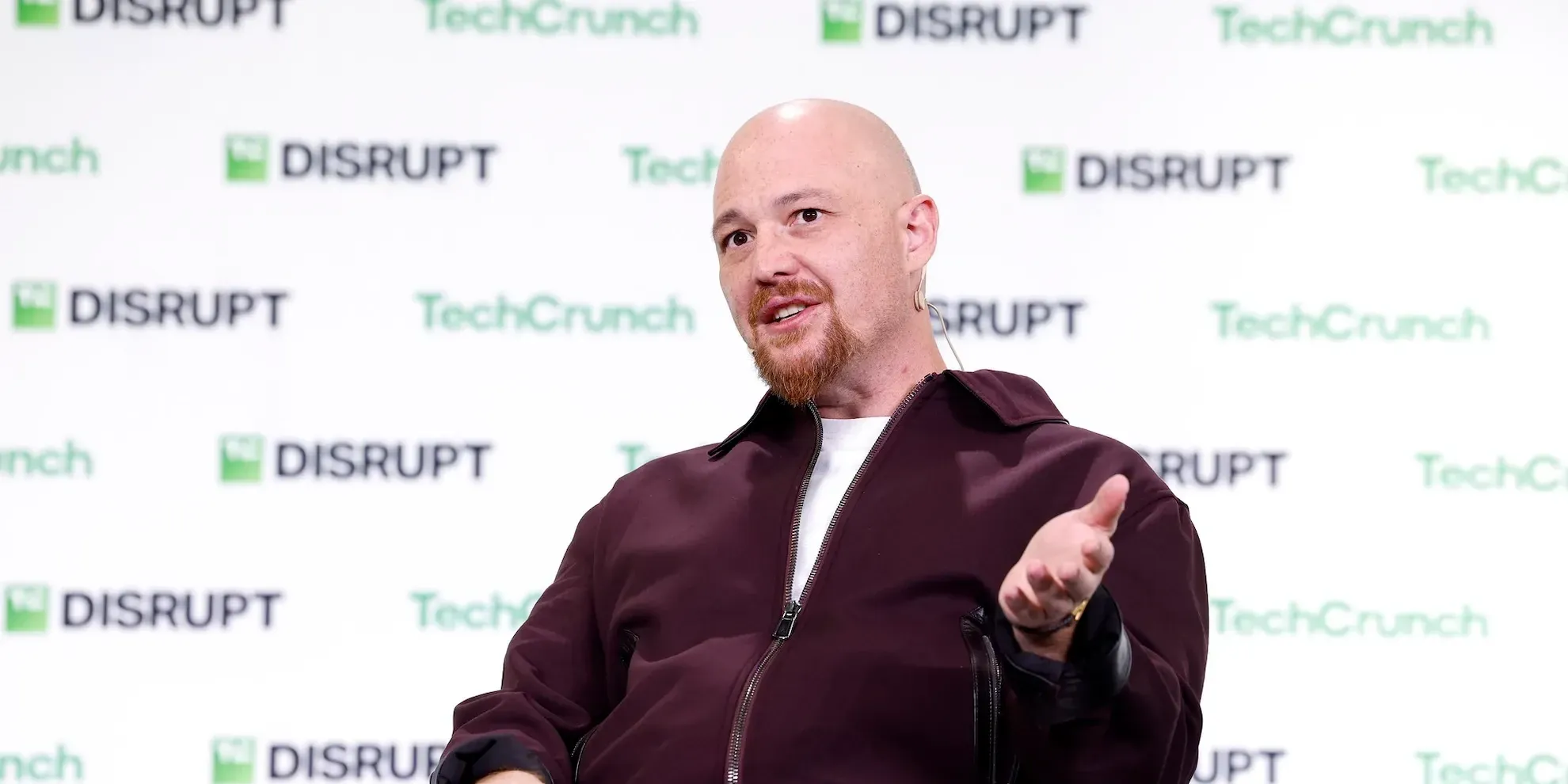
Replit wants its first deals chief after two acquisitions that shipped on day one, and its CEO already backs two likely fits.
Read the story Subscribe
Reporting and context on Replit, with a closer look at the decisions and developments that matter.
Get AI Secret’s free daily briefing, including Replit and the wider AI industry.

Replit provides a development platform for creating and deploying software. Coverage follows its coding agents, developer tools and AI app-building workflow.
Reviewed 19 October 2026. Dates retain the precision of the source; retrospective disclosures are identified in the event. The $1B run-rate goal for the end of 2026 is not recorded as achieved revenue.
Revenue, funding, product launches and major company events, newest first. Expand the earlier milestones for more history.
Replit announces new capital for global expansion and infrastructure. Its $1B year-end revenue run-rate figure is a target, not an achieved result.
Source: ReplitThe company reports users at 85% of Fortune 500 companies and launches Agent 4 alongside the financing announcement.
Source: ReplitEarlier revenue, financing and company milestones.
Replit reorganizes its paid plans around different builder needs, alongside collaboration and cost controls.
Source: ReplitThe company reports more than 50-fold growth in under a year. Both values are annualized snapshots, not fiscal-year revenue totals.
Source: ReplitPrysm leads the round, with Google’s AI Futures Fund and Amex Ventures among participants; Replit also launches Agent 3.
Source: ReplitA new assistant complements Agent, supporting developers who want more direct control over changes.
Source: ReplitThe platform adds an AI system that can create and deploy applications from natural-language instructions.
Source: ReplitThe Series B extension backs the developer platform and its Ghostwriter AI tools, preceding the later shift toward autonomous app-building agents.
Source: Replit announcementThe company begins building a browser-based development environment, years before its agent-led expansion.
Source: ReplitBriefs, articles and relevant sections, newest first. Explore older coverage below.
More coverage
In a world where Artificial Intelligence (AI) is rapidly reshaping industries, Zillow, the real estate giant, has just pulled off a jaw-dropping feat: building production-grade software without a single engineer. Yes, you read that right—zero engineers. Nada. Zilch. Thanks to the combined wizardry of Replit, Anthropic’s Claude AI, and Google Cloud, Zillow has turned its non-technical employees into software developers overnight. This collaboration is not just a technological breakthrough; it’s a full-blown paradigm shift in how businesses approach software development. Let’s dive into the nitty-gritty details of this fascinating development and explore its implications.
Thanks to the combined wizardry of Replit, Anthropic’s Claude AI, and Google Cloud, Zillow has turned its non-technical employees into software developers overnight. This collaboration is not just a technological breakthrough; it’s a full-blown paradigm shift in how businesses approach software development. Let’s dive into the nitty-gritty details of this fascinating development and explore its implications.
Replit, a cloud-based Integrated Development Environment (IDE), has been at the forefront of democratizing software development. With its user-friendly interface and AI-driven tools, Replit empowers non-programmers to create production-ready applications. It’s like giving a paintbrush to someone who’s never painted before and watching them create a masterpiece.
Anthropic’s Claude AI model is no ordinary chatbot. This sophisticated AI is designed to generate clean, maintainable code while understanding complex systems across multiple programming languages and frameworks. Think of it as the Einstein of coding, but without the wild hair and cryptic blackboard equations.
Google Cloud’s Vertex AI platform provides the robust infrastructure needed to support AI-driven software development. By integrating with Replit and Anthropic, Google Cloud ensures that these AI-generated applications are not only scalable but also secure and reliable.
Replit, a cloud-based Integrated Development Environment (IDE), has been at the forefront of democratizing software development. With its user-friendly interface and AI-driven tools, Replit empowers non-programmers to create production-ready applications. It’s like giving a paintbrush to someone who’s never painted before and watching them create a masterpiece.
Zillow’s marketing team, previously known for catchy slogans and flashy ads, has now become a squad of software developers. Using Replit and Anthropic’s AI tools, these non-technical employees have built applications that route over 100,000 home shoppers to real estate agents. And they did it without writing a single line of code themselves. Talk about a career pivot!
Using Replit and Anthropic’s AI tools, these non-technical employees have built applications that route over 100,000 home shoppers to real estate agents. And they did it without writing a single line of code themselves. Talk about a career pivot!
The collaboration between Replit, Anthropic, and Google Cloud has created a platform where anyone with an idea can build custom software. By leveraging AI, Zillow has solved the global developer shortage problem, which is expected to reach 4 million unfilled positions by 2025.
This breakthrough is a game-changer for businesses worldwide. By reducing the need for traditional programming skills, AI empowers a broader range of professionals to participate in software development. This democratization could lead to more customized solutions and better alignment with specific business needs.
The global shortage of skilled software developers has been a bottleneck for innovation. By enabling non-technical teams to build their own solutions, companies can bypass this constraint and accelerate their ability to respond to market changes. It’s like giving everyone a magic wand to solve their problems instantly.
AI is no longer just a tool; it’s a strategic enabler. Companies like Zillow are leveraging AI to improve efficiency, innovate faster, and meet customer demands more effectively. This shift is not just about technology; it’s about redefining how businesses operate.
While AI can generate code, it lacks the creativity and problem-solving skills of a human engineer. There’s also the risk of over-reliance on AI, which could lead to a loss of critical thinking skills among employees.
AI-generated applications are only as secure as the platforms they’re built on. Ensuring that these applications meet enterprise-grade security standards is crucial. Thankfully, Google Cloud’s infrastructure addresses these concerns.
As AI takes over more tasks, there’s a looming question about job displacement. While AI democratizes software development, it could also render traditional programming roles obsolete. It’s a double-edged sword that needs careful management.
The collaboration between Replit, Anthropic, and Google Cloud is just the beginning. As more organizations adopt similar models, we can expect a significant evolution in the software development landscape. This shift favors inclusivity, innovation, and faster time-to-market solutions.
The term “citizen developer” is no longer a buzzword; it’s a reality. With AI tools becoming more accessible, we’re likely to see a surge in non-technical professionals contributing to software development. This could lead to a more diverse and innovative tech ecosystem.
Zillow’s achievement is a testament to the transformative power of AI. By enabling non-technical employees to build production-grade software, Replit, Anthropic, and Google Cloud have not only solved a pressing business problem but also set a new standard for innovation. While challenges remain, the benefits far outweigh the risks. As we move forward, the democratization of software development will likely become the norm, paving the way for a more inclusive and innovative future.
So, the next time someone tells you they can’t code, just point them to Replit and say, “Neither could Zillow’s marketing team—until now!”
The collaboration between Replit, Anthropic, and Google Cloud is just the beginning. As more organizations adopt similar models, we can expect a significant evolution in the software development landscape. This shift favors inclusivity, innovation, and faster time-to-market solutions.
Replit wants its first deals chief after two acquisitions that shipped on day one, and its CEO already backs two likely fits.
Read the storyReplit's CEO says it dropped Anthropic for OpenAI, but people close to the deal deny it, and Replit's own blog and docs still run Claude.
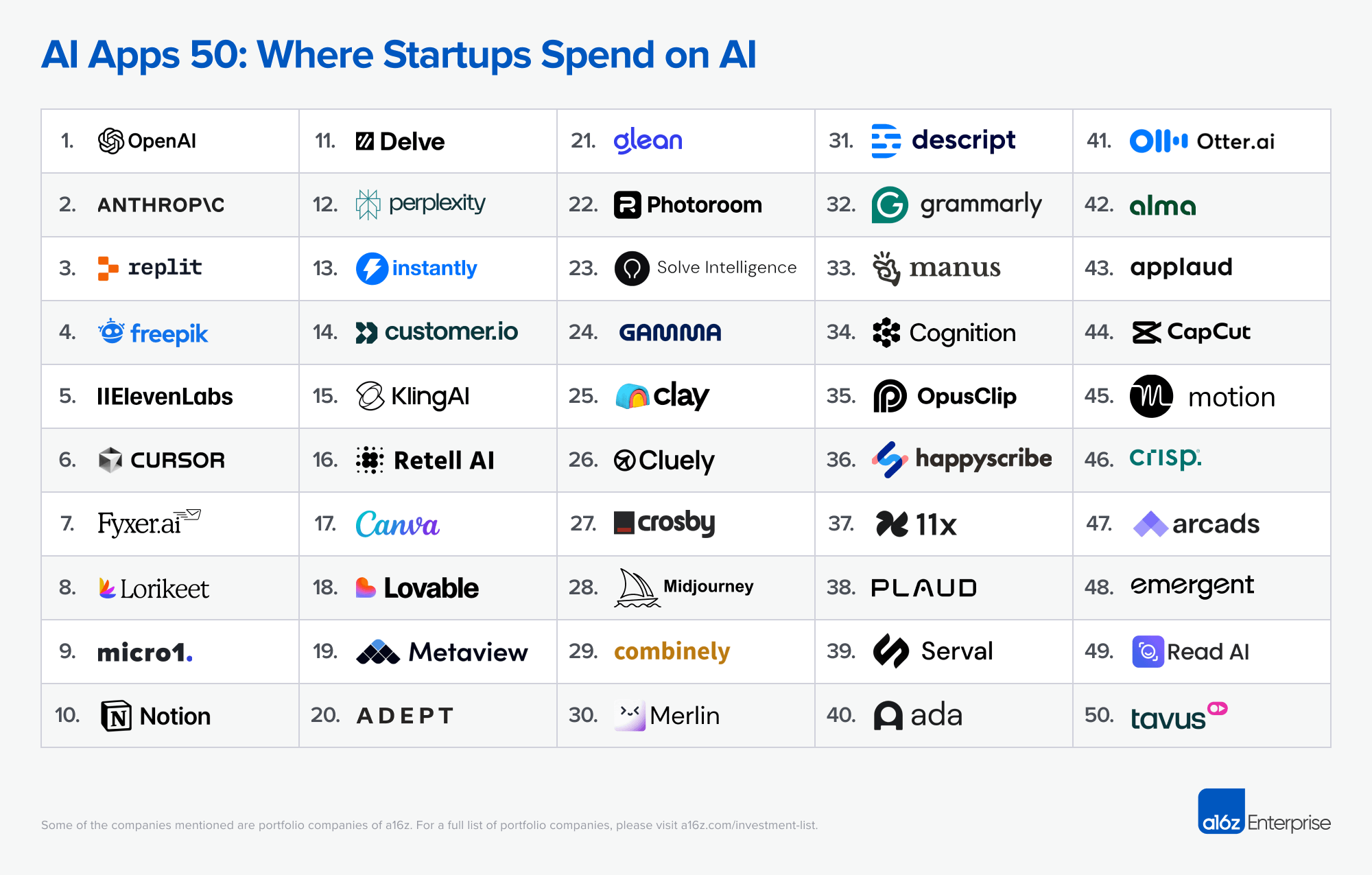
Andreessen Horowitz (a16z) has just turned startup banking data into a mirror of the AI economy. Working with Mercury, which manages accounts for more than 200,
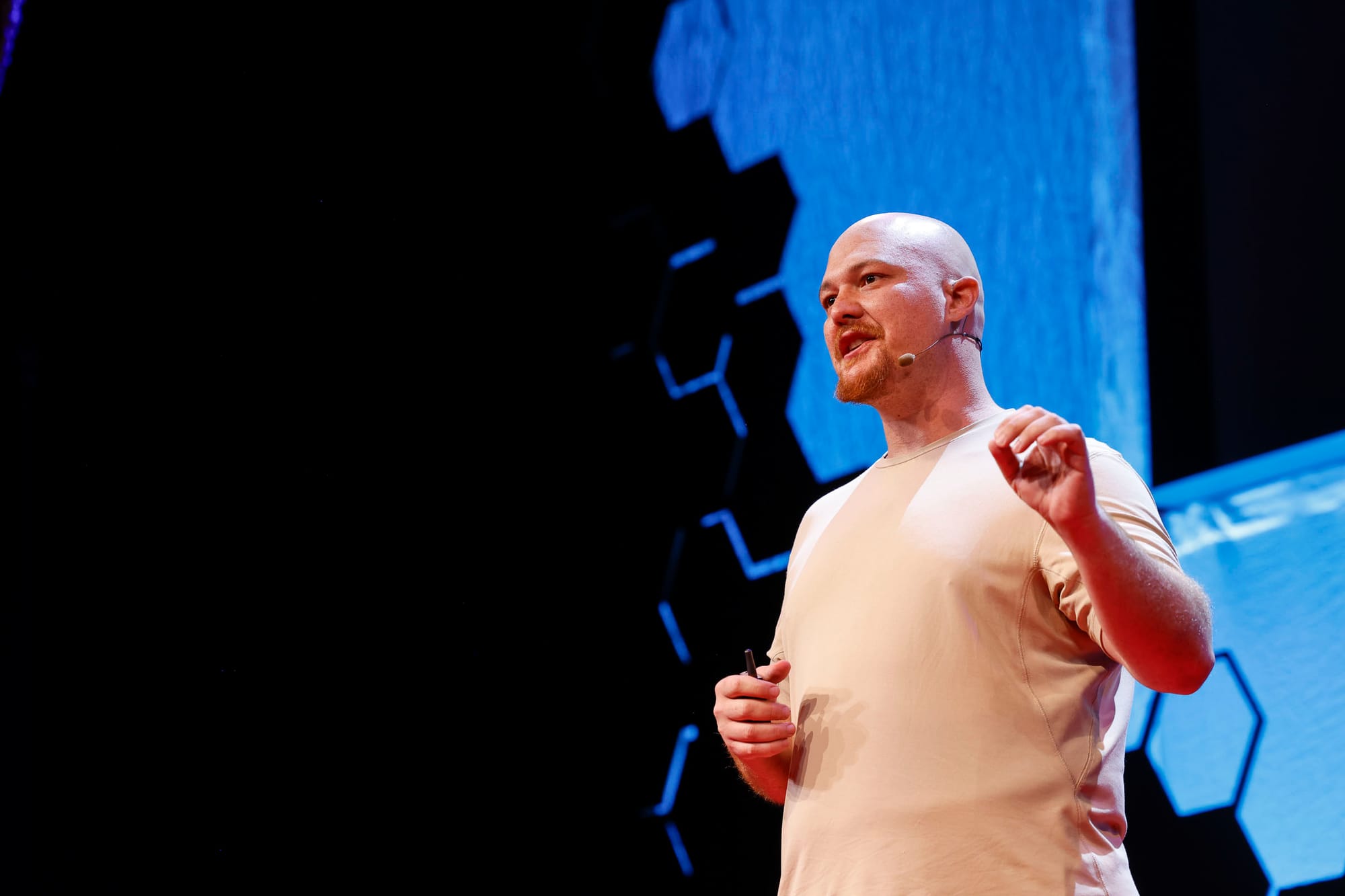
The two-week 2M ARR story was more stagecraft than growth
More Stories: Altman’s Threat Pitch, A16Z's New AI predictions
More Stories: Claude Code Nerfed, Ideas Over Engineers
Replit And Anthropic's AI Helped Zillow Create Software Without Any Engineers
In a world where Artificial Intelligence (AI) is rapidly reshaping industries, Zillow, the real estate giant, has just pulled off a jaw-dropping feat: building production-grade software
In a world where artificial intelligence (AI) is reshaping industries faster than you can say "machine learning," Replit, the browser-based coding platform, has decided
Replit CEO's Bold Statement: "We Don’t Care About Professional Coders Anymore"