Simulate Brain Reasoning
The tension between OpenAI and Microsoft is set to change the competition in AI development.
Read the story Subscribe
Reporting and context on Microsoft, with a closer look at the decisions and developments that matter.
Get AI Secret’s free daily briefing, including Microsoft and the wider AI industry.

Microsoft develops software, cloud infrastructure and AI products. Coverage follows Azure, Copilot, AI partnerships and enterprise adoption.
Reviewed 19 October 2026. Dates retain the precision of the source; retrospective disclosures are identified in the event. Azure annual revenue, AI annualized revenue and Copilot paid seats retain their distinct definitions.
Revenue, funding, product launches and major company events, newest first. Expand the earlier milestones for more history.
Microsoft reports the fiscal-year milestone, alongside more than 30M paid Microsoft 365 Copilot seats. Seats are an adoption measure, not revenue.
Source: MicrosoftMicrosoft’s model license becomes non-exclusive; OpenAI gains flexibility to serve products across clouds while revenue-sharing terms continue under a cap.
Source: OpenAI / MicrosoftEarlier revenue, financing and company milestones.
Fiscal 2025 Azure revenue rises 34%; this is the first disclosure of Azure’s annual sales at this scale, rather than total Microsoft Cloud sales.
Source: Microsoft annual reportMicrosoft reports 175% year-over-year growth in its AI business’s annualized revenue. This is not the same scope as Azure’s full-year sales.
Source: MicrosoftGenerative AI enters Word, Excel, PowerPoint, Outlook and Teams workflows, creating a new commercial software offering.
Source: MicrosoftThe companies announce a multiyear, multibillion-dollar extension of the partnership begun in 2019.
Source: OpenAIThe initial multiyear agreement links OpenAI’s research with Azure AI supercomputing infrastructure.
Source: MicrosoftThe professional network joins Microsoft, expanding its business software, data and distribution ecosystem.
Source: LinkedInThe software company later expands from personal computing into enterprise software, cloud infrastructure and AI.
Source: MicrosoftBriefs, articles and relevant sections, newest first. Explore older coverage below.
More coverage
The advent of Artificial Intelligence (AI) has been a transformative force across industries, fundamentally reshaping traditional roles and processes. In the realm of sales, AI is not only automating repetitive tasks but also augmenting human capabilities, enabling sales teams to operate more efficiently and effectively. Big tech companies, such as Microsoft, have been at the forefront of this transformation, leveraging custom-built AI tools to enhance productivity and revenue generation.
In the realm of sales, AI is not only automating repetitive tasks but also augmenting human capabilities, enabling sales teams to operate more efficiently and effectively. Big tech companies, such as Microsoft, have been at the forefront of this transformation, leveraging custom-built AI tools to enhance productivity and revenue generation.
One of the most immediate and visible impacts of AI in sales is the automation of mundane, repetitive tasks. These include data entry, CRM hygiene, lead scoring, and follow-up communications. By automating these activities, salespeople can redirect their efforts toward high-value tasks such as building relationships, closing deals, and providing personalized customer experiences.
For instance, Microsoft's AI tools, such as Dynamics 365 Sales and Microsoft 365 Copilot, have been instrumental in streamlining workflows. These tools integrate customer data from various sources, providing sales teams with actionable insights in real-time. This automation not only saves time but also minimizes human error, ensuring that sales processes are both efficient and accurate.
While automation addresses routine tasks, AI also plays a critical role in augmenting human capabilities. AI-powered tools provide salespeople with deep insights into customer behavior, preferences, and purchasing patterns. This enables more personalized and targeted interactions, which are essential for building trust and fostering long-term customer relationships.
Microsoft's use of AI-powered customer profiling exemplifies this trend. By leveraging tools like Dynamics 365 Customer Insights, sales teams can access a 360-degree view of customer journeys, allowing them to anticipate needs and tailor their approaches accordingly. This data-driven strategy not only enhances customer satisfaction but also boosts sales efficiency and effectiveness.
Microsoft's investment in AI has yielded tangible benefits, both in terms of productivity and revenue growth. According to Judson Althoff, Microsoft's sales chief, the deployment of AI tools has increased revenue per salesperson by approximately 10%. This improvement underscores the potential of AI to enhance individual productivity while maintaining or even reducing the size of sales teams.
During a recent gathering of sales teams in Redmond, Althoff highlighted how AI tools have enabled salespeople to focus on what matters most: closing deals and building relationships. By automating tasks such as generating follow-up emails and creating personalized reports, Microsoft's AI solutions allow sales reps to dedicate more time to strategic activities. This shift not only improves efficiency but also contributes to higher revenue generation.
A key component of Microsoft's AI strategy is the unification of customer data across sales, marketing, and service functions. Tools like Dynamics 365 Customer Insights consolidate data into a single, real-time profile, providing sales teams with a comprehensive understanding of customer journeys. This unified approach eliminates data silos, enabling more effective collaboration and decision-making.
For example, AI-powered recommendations in Dynamics 365 Sales help sales teams prioritize leads and identify strategic next steps. This proactive assistance accelerates decision-making and enhances the overall effectiveness of sales strategies. By turning raw data into actionable insights, Microsoft has demonstrated how AI can be a powerful enabler of sales success.
The benefits of AI in sales are not limited to Microsoft. Industry-wide data suggests that organizations investing in AI tools are gaining a significant competitive edge. According to Salesforce's State of Sales report, 81% of sales teams are now investing in AI tools, with 83% of these teams reporting higher revenue growth compared to 66% of non-adopters. This trend highlights the strategic importance of AI in driving sales performance and revenue growth.
As AI continues to reshape the sales landscape, the role of salespeople is evolving. While some tasks are being automated, the human touch remains indispensable for activities that require empathy, creativity, and complex problem-solving. To thrive in this AI-driven environment, sales professionals must adapt by reskilling and embracing new technologies.
Preparing sales teams for the future involves training them to leverage AI tools effectively. This includes understanding how to interpret AI-generated insights, personalize customer interactions, and develop data-driven strategies. Organizations that invest in reskilling their workforce will be better positioned to harness the full potential of AI.
While the adoption of AI in sales offers numerous benefits, it also raises ethical considerations and challenges. For instance, the use of AI for customer profiling and personalization must be balanced with data privacy concerns. Organizations must ensure that their AI systems are transparent, fair, and compliant with regulatory standards.
Additionally, the integration of AI into sales processes requires careful planning and execution. Businesses must address potential resistance to change, ensure data quality, and select the right AI tools to meet their specific needs. Overcoming these challenges will be critical for realizing the full benefits of AI in sales.
The role of salespeople is undergoing a profound transformation in the era of artificial intelligence. By automating repetitive tasks and augmenting human capabilities, AI is enabling sales teams to operate more efficiently and effectively. Microsoft's experience demonstrates the potential of AI to drive productivity gains and revenue growth, offering valuable lessons for the broader industry.
As AI adoption continues to accelerate, organizations must prepare their sales teams for this new reality. This involves reskilling, embracing data-driven strategies, and addressing ethical considerations. By doing so, businesses can unlock the full potential of AI, ensuring that sales professionals remain indispensable in an increasingly automated world.
The tension between OpenAI and Microsoft is set to change the competition in AI development.
Read the storyArtificial Intelligence (AI) is rapidly evolving, with companies and researchers striving to push the boundaries of what machines can achieve. One of the most exciting developments
Microsoft’s relationship with OpenAI has hit a rough patch.
Ah, Microsoft—the tech giant that’s been around longer than your grandma’s cookie recipe—is making waves in the artificial intelligence (AI) world again.
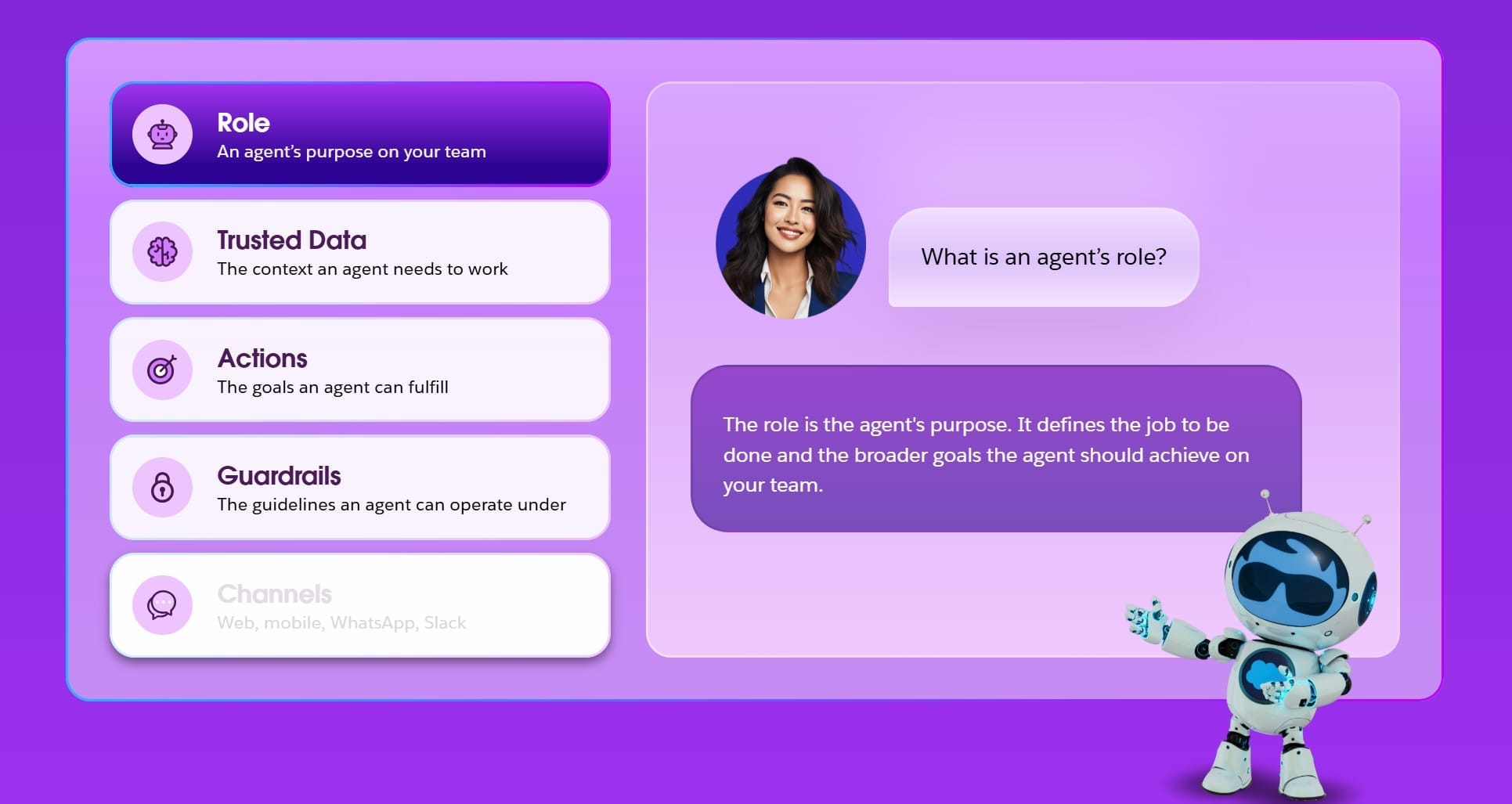
Salesforce and Microsoft are competing to launch AI Agents to establish the standard for AI in businesses.
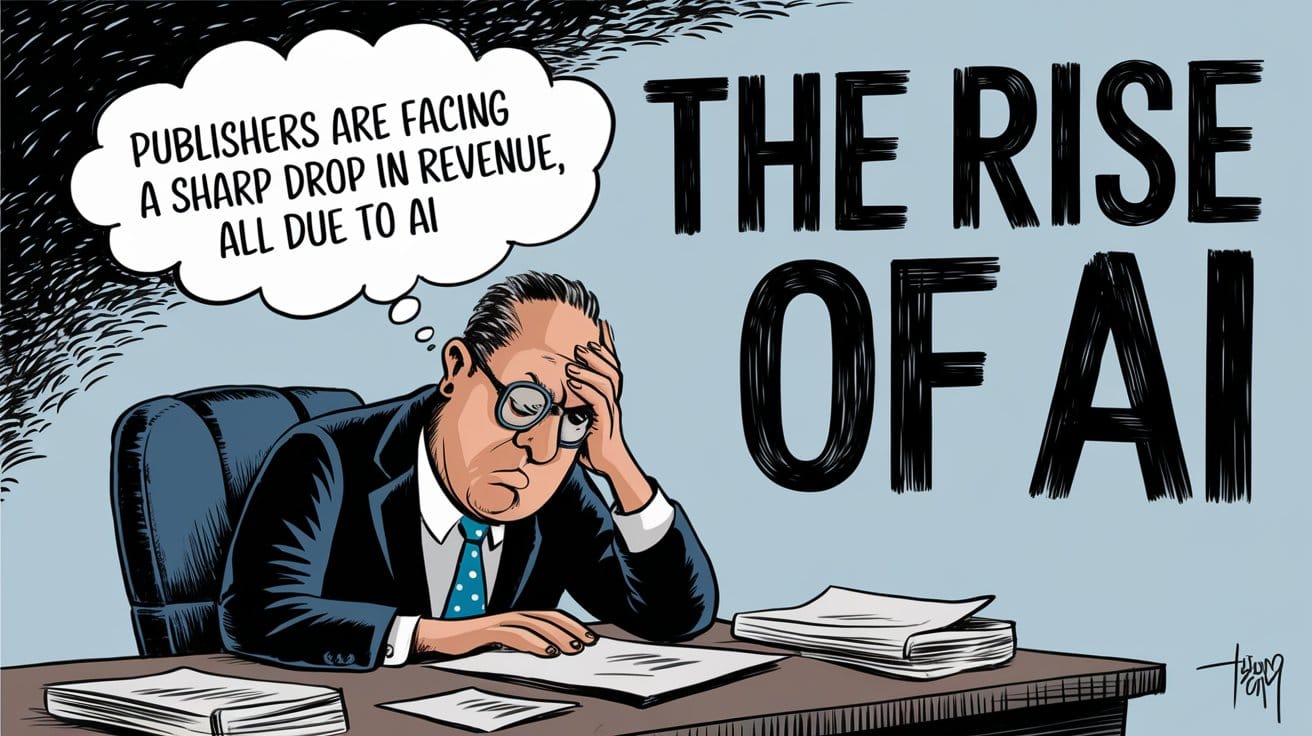
AI Search Engines are Deceiving Publishers & 42% of People Say Google Search Less Useful
The advent of Artificial Intelligence (AI) has been a transformative force across industries, fundamentally reshaping traditional roles and processes. In the realm of sales, AI is
Deepseek shows how to sell “Diamonds” at a 97% discount and make profit.
DeepSeek ignites AI API pricing war with its second major cut.
A Survey Reveals Amazon Alexa's AI Strategy Carries Significant Risks